
April 23, 2026
Working alone shouldn’t mean feeling alone
Working solo in the trade comes with undeniable benefits – freedom, flexibility, and the satisfaction of building something on your own terms. But behind the independence lies a side that too often goes unspoken. Research shows that 64% of lone workers experience psychological distress, far above those in team‑based roles. When every decision and difficulty rests solely on your shoulders, even the most seasoned professionals can begin to feel the strain. And while working alone may be routine, feeling alone doesn’t have to be.
Shared struggles across solo professions
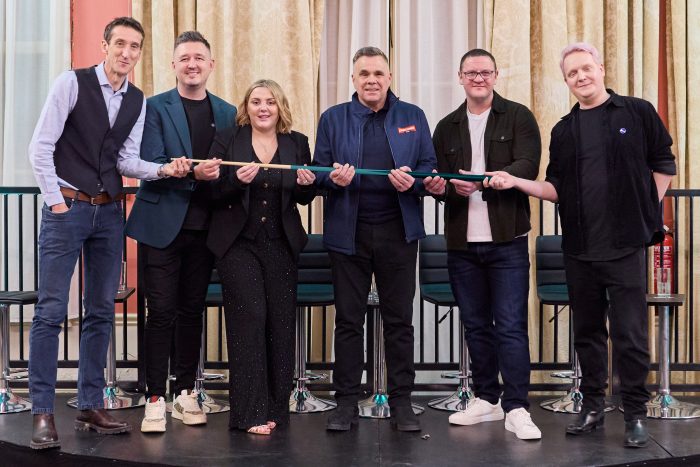
Painters and decorators aren’t the only ones navigating the pressures of independence. Many of the same challenges arise in professions that rely heavily on individual performance – including sports like snooker, where players train, compete, and travel largely on their own. Recent conversations at the Johnstone’s Trade and World Snooker Tour (WST) Paint the Whole Picture event in partnership with mental health charity, Mind revealed powerful parallels between the work of decorators, the focus of snooker professionals, and the importance of supporting mental health, including:
- The pressure of self‑motivation
- The impact of long periods without social interaction
- The emotional toll of being solely responsible for success or failure
- The challenge of staying confident in isolation
The mental health charity, Mind, was at the forefront of these all-important insights and conversations at the event, hosted alongside this year’s Masters tournament, which highlighted a powerful truth: that the emotional weight of working alone is not unique to the trade. It’s a widespread wellbeing issue – and one we can tackle more effectively by learning from and leaning on one another.
Learning from those who understand the pressure
At the event, decorators and snooker players shared honest reflections on independence, pressure, and mental resilience.
World no.2 snooker player, Kyren Wilson agreed that snooker halls and training spaces aren’t just places to practise technique – they’re places to connect with others in the profession. Kyren shared a candid reflection on the personal challenges he faces as a professional snooker player: “The hardest part for me is leaving home; I’ve got two young boys and a loving wife who ride the wave with me, and those sacrifices aren’t easy. I’ve always wanted to use my platform in a positive way – if I can help even one person, that’s mission accomplished.
“In many ways, snooker and the painting & decorating trade share the same qualities: precision, patience, and attention to detail. Both also involve long hours working alone, often away from family and friends, which can take its toll.”
The conversation reinforced a simple but powerful message: sometimes a brief chat or a small gesture of support can be enough to interrupt the cycle of isolation and make a meaningful difference.
Small habits that make a big difference
While no two solo workers are the same, there are simple actions that can help protect mental wellbeing:
- Check in regularly with a friend, fellow decorator, or supplier staff member
- Incorporate wellness breaks into your routine. Not just for your body, but for your mind
- Share challenges as soon as they crop up. Long bouts of silence can often make these issues feel more stressful and harder to manage
- Create a support network. Whether through online groups, local decorators, or family
- Prioritise community spaces, trade counters, training groups, or supplier events
These small habits aren’t distractions; they’re essential forms of support.
Every self‑employed painter and decorator works in their own way – but none should have to work in total isolation. Independence is a strength of the trade, and that strength grows when balanced with connection.