September 1, 2026
Get to Grips With Different Types of Wax – Liberon Provides Clarity on Their Pros and Cons and What To Use When
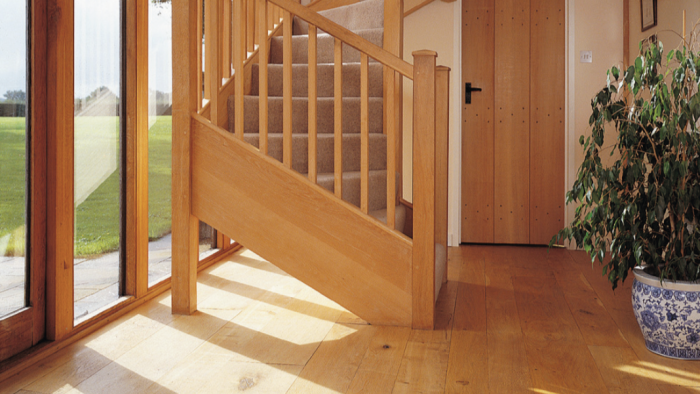
Professional Painters and Decorators are faced with a broad choice of finishing waxes in woodcare jobs. It can be tricky to know what to use. Liberon, the experts in this field have come up with some good advice.
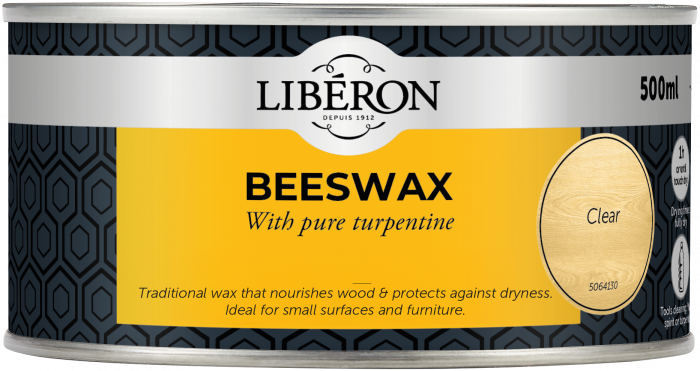
1. Traditional Beeswax
Beeswax has been used down the centuries as a lubricant and waterproofing agent, as a polish for wood and leather, and for making candles. Today, we can make good use of it as a natural wax used to maintain and protect bare wood surfaces. It seals and protects wood, giving it a long-lasting, durable and natural-looking shine. It absorbs into the wood’s fibres and seals it.
Look for a Beeswax that contains pure turpentine. Pine turpentine has been used for centuries in combination with beeswax. It is a lovely, traditional product with a fabulous aroma, which nourishes wood and protects against dryness. It is ideal for nourishing absorbent woods such as pine and oak, especially unsealed or for use on items that have been dipped for stripping. Ideal for small surfaces and furniture, it can help bring out the true beauty of wood by forming a rich, glossy coating that cares for furniture. The surface of the wood will feel silky smooth.
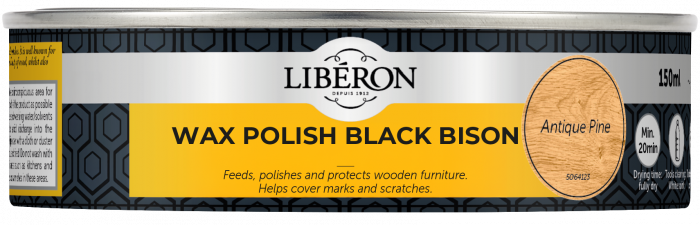
2. Wax Polish Black Bison Paste
Waxing furniture has been done for hundreds of years, and whilst traditional beeswax has its place, it’s a good idea to seek out a solid wax with a modern formulation if you need something more hardwearing. Choose one with a good content of carnauba wax, like Liberon’s Wax Polish Black Bison Paste. Carnauba wax is found on the leaves of the carnauba palm, which is native to north-eastern Brazil. It is known as the ‘Queen of Waxes’, and contributes to the superior durability of the complete wax formulation, making it ideal for nourishing and protecting all types of wood, including lacquers and French polishes.
Liberon’s Wax Polish Black Bison Paste feeds, polishes, protects and helps prevent wood drying out. It helps to cover marks and scratches, and is ideal for small surfaces. The finish produced will be highly lustrous and hard-wearing, and you can use it on both antique and modern furniture. If tackling larger surfaces such as panelling, doors or staircases then go for a liquid wax polish instead.
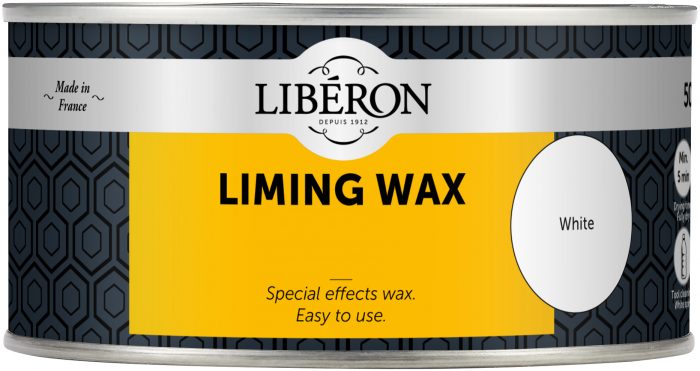
3. Liming Wax
Liming wax is a fantastic, transformative substance that you can use to add a whitewashed look and shine to furniture. It’s great for when you want a vintage or distressed look but you want to preserve wood’s natural beauty too.
Liberon’s Liming Wax is perfect for creating a limed effect for furniture. Use it on oak, elm and other hardwoods plus softwoods too. As with all woodcare jobs, preparation is key. Ensure the surface is clean, dry and free from any previous finishes. Then open the grain, (preferably with a Liberon Liming Brush). On softwoods such as pine, use a wire brush or coarse abrasive paper to score the timber. Then start working the liming wax into the grain of the wood to create a truly beautiful effect. In addition, pale woods can also be coloured with Liberon Palette Wood Dye to enhance the liming effect.
Additional waxes, aside from Liming Wax, are available for creating special effects. Check out options such as Liberon Black Patinating Wax and Liberon Verdigris Wax. Always check out which one is best for your project.
Check out the Liberon range at https://liberon.co.uk/